Amélie performed pXRF measurements on an exceptional lot of metal figurines collected at the site of Reims (51) Place Museux. This project is financed by Eveha as an intern research program. The analysis will bring informations on the elemental composition (alloy) of the artefacts and characterise the ornementation and specific surface treatments some e-objects exhibit. … Read More “Chemical composition of Gallo-Roman figurines” »
Category: Uncategorized
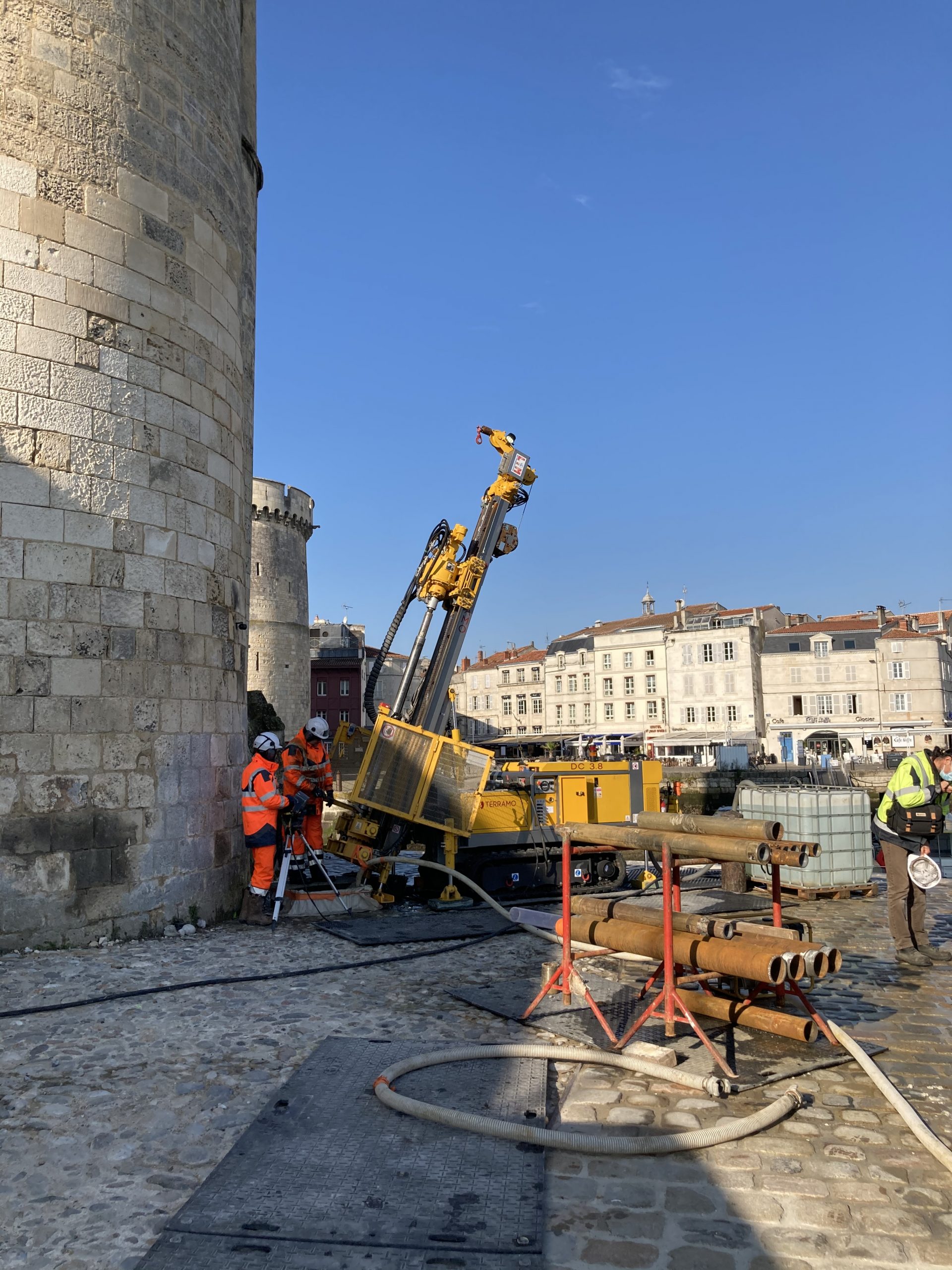
After the palaeo-environmental study of the march of Tasdon and after the one conducted Rue de la Fabrique, Amélie is conducting a new, extensive palaeo-environmental study in La Rochelle (France), based on geotechnical boreholes taken in and around the Medieval tower Saint-Nicolas. The tower is currently under work to consolidate its base and geotechnical cores up … Read More “New palaeo-environmental study in the harbour of La Rochelle” »
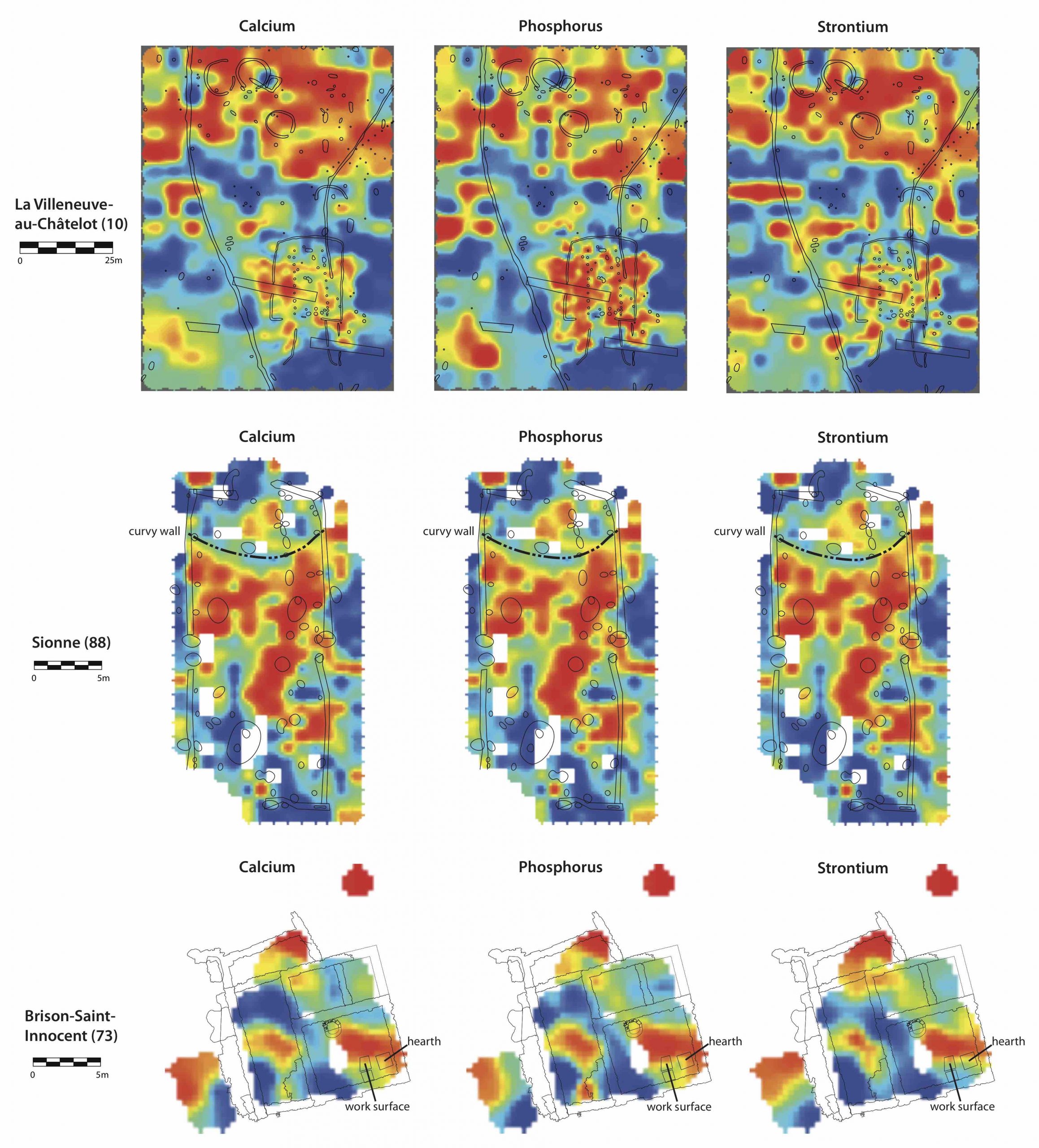
Amélie completed the geochemical survey by pXRF of 3 Neolithic/Bronze buildings with abside discovered in the Seine valley. This type of architecture, unknown in the area, and the excellent preservation conditions at the site make this project ideal for geochemical mapping. The subsoil is very homogenous in this part of the site (calcareous marl) and the … Read More “Geochemical survey of Neolithic buildings” »
Sabrina Save just published, in collaboration with site directors from different French commercial units, an article in Archaeological Prospection on the method she has developed in the past years for surveying large areas with pXRF. The abstract of the article is available through this link. In the article she summarizes the development in the last … Read More “Major publication in Archaeological Prospection” »
The site of Beine-Nauroy (51) La Noue Cochard revealed 137 beautifully preserved housepits dating to the Early Middle Ages. Twenty seven samples from different features were floated and entirely sorted for seed analysis. Three samples were particularly dense with large assemblages of carbonised cultivated oat grains (Avena sativa). These grains were mixed with cereal chaff … Read More “Oat as fodder on an Early Medieval site of Champagne” »
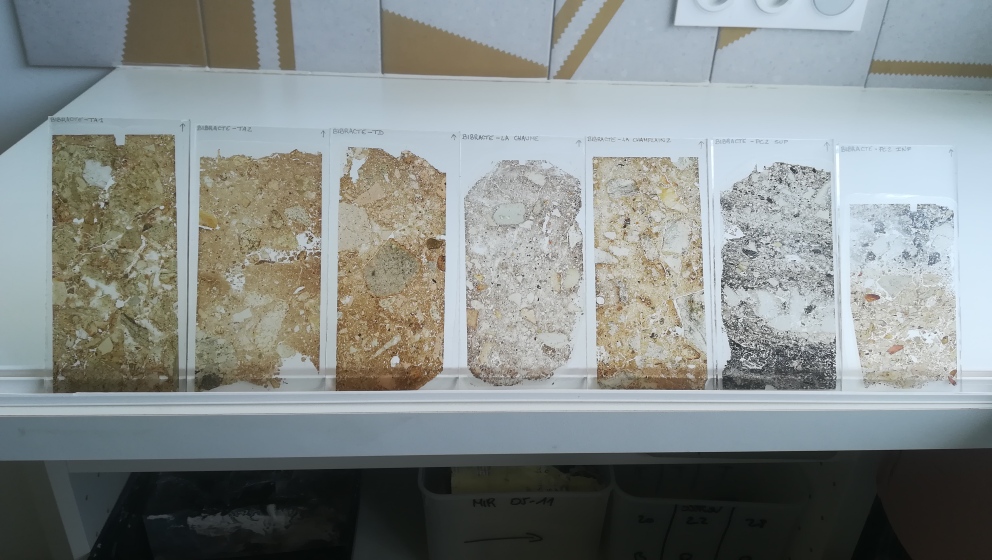
Since Spring 2019, our new lab Terrascope, dedicated to the production of micromorphology thin sections is crazy busy! We receive samples from all over the world: Universities of Sheffield, Edinburgh, Tübingen, Barcelona, Valparaiso, London, Prague… Word of mouth is working great, researchers are happy with the quality of the thin sections and keep sending more … Read More “News from Terrascope” »
We would like to thank Region “Grand Est” for allocating us a grant for the creation of our new facilities Terrascope, dedicated to the production of micromorphology thin sections. It is as part of the program “Artisanat de Demain” (Craftsmanship of Tomorrow) that our innovative project caught the attention of the Committee. We have been … Read More “Thank you “Grand Est”!” »